sales@martinskiphire.co.uk

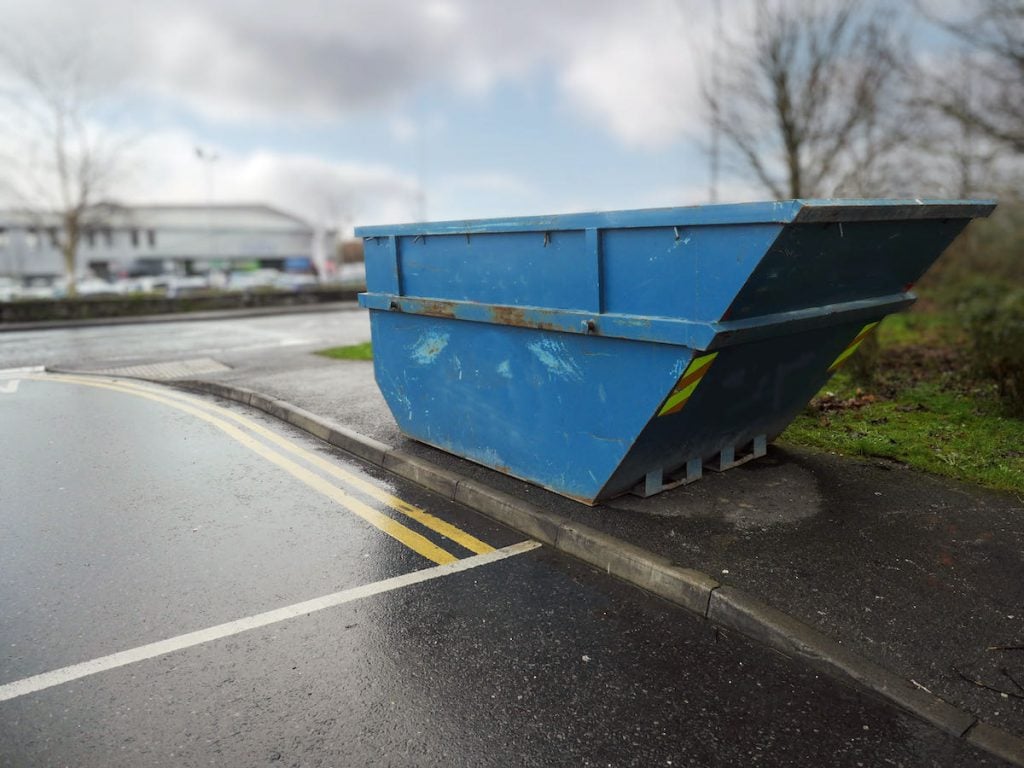
Hiring a skip sounds simple until you actually start comparing companies. Delivery times vary, pricing is not always clear, and not every provider offers the same level of support when it comes to permits, waste types, or collection.
Choosing the right company from the start makes a noticeable difference. It keeps your project moving, avoids unnecessary costs, and removes the guesswork that often comes with booking skip hire for the first time.
What Should You Check Before Booking Skip Hire?
Before booking a skip, it is worth taking a moment to check a few key details. These are the things that usually separate a straightforward experience from one that causes delays or extra costs.
A reliable skip hire company should be clear about availability, offer practical advice on skip sizes, and make it easy to understand what can and cannot be disposed of. You should also know exactly how long you can keep the skip, how collection works, and whether anything else needs to be arranged before delivery.
The table below shows what to look for and why it matters.
What to Check Before You Book
| What to check | Why it matters | What a good company provides |
|---|---|---|
| Availability | Delays can slow down your project | Clear delivery windows and realistic timeframes |
| Skip size advice | Wrong size leads to extra cost or hassle | Guidance based on your job, not guesswork |
| Permits | Road placement can delay delivery | Clear advice on whether a permit is needed |
| Waste types | Restricted items can cause issues | Clear explanation of what can be loaded |
| Collection | Late collection creates problems on site | Reliable collection and flexible options |
What Causes Problems With Skip Hire Bookings?
Most issues with skip hire are avoidable, but they tend to come from the same small number of mistakes.
Choosing a skip that is too small is one of the most common mistakes. It leads to overfilling or needing an additional skip, both of which increase the overall cost. Booking too late can also limit availability, especially during busy periods.
Placement is another factor that is often overlooked. If a skip needs to be placed on a public road, this can delay delivery if it has not been planned properly. Loading restricted materials into a skip can also create problems at collection.
Understanding these points in advance helps avoid unnecessary disruption.
How Does Skip Hire Work From Enquiry to Collection?
If you have not hired a skip before, the process is usually very straightforward. It starts with a quick conversation about the type of waste, the amount, and where the skip will be placed. From there, the right size can be recommended and a delivery date arranged.
Once delivered, the skip can be filled over the agreed hire period. When the job is complete, it is collected and the waste is taken away for sorting and disposal.
How Skip Hire Works
| Enquiry | Discuss your waste and requirements |
| Booking | Confirm skip size and delivery date |
| Delivery | Skip arrives at your property |
| Use | Fill the skip during hire period |
| Collection | Skip is collected and waste removed |
What Questions Should You Ask Before Booking a Skip?
Before confirming your booking, it helps to ask a few straightforward questions.
You should be clear on what size skip you need, how long you can keep it, and what materials can be loaded. It is also worth confirming delivery times and whether anything needs to be arranged before the skip arrives.
Getting clear answers upfront helps you avoid delays and ensures everything runs smoothly from start to finish. If you would like to clarify any details on your skip hire, call us directly. Our team are always happy to assist.
What Matters Most Before You Book
Choosing the right skip hire company comes down to clarity and reliability. You should know what you are getting, when it will arrive, and how the process works from start to finish.
Taking a few minutes to check these details before booking can save time, reduce costs, and make the entire job easier to manage.