sales@martinskiphire.co.uk

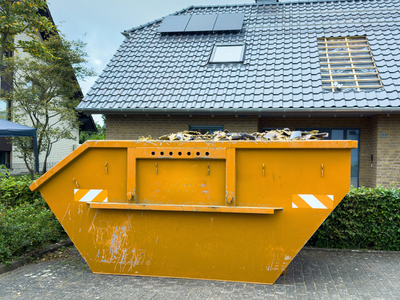
If you’re hiring a skip for a home project, one of the first things you need to know is what you can actually put in it. A 4-yard skip is one of the most popular choices across the UK for domestic use, but there are still clear rules around what is allowed and what is not.
Getting this right matters. It helps you avoid extra charges, prevents collection delays, and makes sure your waste is disposed of properly. Whether you’re clearing out a house, tackling a garden project, or doing light renovation work, understanding how to use your skip properly will save you time and hassle.
What is a 4-Yard Skip Best Used For?
A 4-yard skip is ideal for smaller jobs where space is limited, but waste can build up quickly. It offers enough capacity to handle more than just a few bags of rubbish, without taking up the space or cost of a larger skip. Due to its size, it is commonly used on residential driveways and in areas where access is tighter.
You will typically use a 4-yard skip for:
- Kitchen or bathroom strip-outs
- Garage, loft, or shed clearances
- Garden tidy-ups and landscaping waste
- Small renovation or DIY projects
- General household decluttering
It can also handle heavier waste like soil or rubble, but only in moderation. Overloading a 4-yard skip with dense materials is one of the most common mistakes and can prevent it from being collected.
What Can You Put in a 4-Yard Skip?
A 4-yard skip is suitable for most non-hazardous waste from everyday home and garden projects. The key is knowing how different materials affect space and weight.
Here’s a clear breakdown of what you can put in:
| Waste Type | Can You Put It In? | Notes |
|---|---|---|
| Household waste | Yes | General rubbish, packaging, non-electrical items |
| Furniture | Yes | Break down bulky items to save space |
| Garden waste | Yes | Grass, branches, hedge cuttings, small amounts of soil |
| Wood & timber | Yes | Doors, flooring, fencing, skirting boards |
| Metal | Yes | Pipes, fixtures, scrap metal |
| Bricks & rubble | Limited | Allowed in small amounts due to weight |
| Plastic | Yes | Non-hazardous plastics and containers |
Most customers will be loading a mix of these materials, which is actually the best way to use a 4-yard skip. Combining lighter waste with heavier items helps keep the load balanced and within safe limits.
What Can’t Go in a 4-Yard Skip?
There are strict UK regulations around certain types of waste, and these apply to all skip sizes.
Items that cannot go in a 4-yard skip include hazardous materials such as asbestos, chemicals, and solvents. Electrical items like fridges, freezers, TVs, and monitors are also not allowed, as they require specialist recycling. Tyres and gas cylinders are prohibited, and plasterboard is usually restricted unless arranged separately.
If any of these items are mixed into your skip, it can delay collection or result in additional charges, so it is always worth checking in advance if you are unsure.
Can You Put Soil, Bricks or Rubble in a 4-Yard Skip?
Yes, but this is where you need to be careful. A 4-yard skip is often chosen for heavier waste because its smaller size helps control the total weight. However, it should not be filled entirely with soil, bricks, or concrete. These materials are dense and can quickly exceed lifting limits. If you need guidance on what you can’t put in your 4-yard skip, contact us directly.
If you are disposing of this type of waste, it is best to spread it evenly across the skip and mix it with lighter materials. This keeps the load safe and ensures it can be collected without issue.
How Full Can a 4-Yard Skip Be?
A 4-yard skip should only be filled level with the top edge, with no waste extending above the sides. This is a legal requirement across the UK and is in place to ensure the skip can be transported safely on public roads.
Overfilling a skip creates a risk of debris falling during collection and transport, which is why drivers are not permitted to remove skips that exceed the fill line. If this happens, the excess waste will need to be taken out before collection can go ahead, which can delay your project and create unnecessary inconvenience.
Loading the skip with a bit of planning makes a noticeable difference. Starting with heavier or flatter items at the bottom creates a stable base, while breaking down bulkier items helps you make better use of the available space. Keeping everything contained within the sides of the skip ensures it can be collected without any issues. If you need guidance on how to load your skip correctly, call us directly for support.
Is a 4-Yard Skip the Right Choice?
A 4-yard skip is a reliable option for most small to medium domestic projects. It offers a good balance between capacity and convenience, especially if you are working with limited space.
If your project involves a full house clearance or large volumes of bulky waste, you may need a larger skip. But for most everyday jobs, a 4-yard skip will do exactly what you need without overcomplicating things.
Book a 4-Yard Skip with Martin Skip Hire
If you’re planning a project and want a straightforward, reliable service, Martin Skip Hire can help you choose the right skip size and arrange delivery at a time that works for you.
Whether you’re clearing out a single room or tackling a garden project, having the right skip in place makes the job quicker, cleaner, and far easier to manage.